Evenings in Macau are such a lively, vibrant time. During the day, it’s easy to find yourself purposefully getting lost amongst the streets munching on egg tarts as you explore the city’s many cultural and historical sites, but at night is when Macau really comes alive. Of course there are amazing casinos and there’s a plethora of restaurants to choose from, but we were lucky in getting to indulge in a romantic Portuguese experience in the heart of St. Lazarus Quarter that pays homage to part of the city’s history with its cobblestone streets, Portuguese architecture, and winding alleyways.
Macau’s Portuguese history began in 1557, when Portugal leased the land from China’s Ming Dynasty as a trading port for goods such as sandalwood and tea. In 1842, China ceded Hong Kong to Britain after the First Opium War, and in the years following that event, Portugal began to seek more control over Macau. In 1887, the Sino-Portuguese Treaty officially ceded Macau to Portugal and it became a Portuguese colony. In 1974, after the Carnation Revolution in Portugal, the Portuguese government aimed to end colonialism and they entered talks with China about recognising Macau as a Chinese territory with Portuguese sovereignty. in 1987, exactly 100 years after the first Sino-Portuguese Treaty, a second one was made that would aim to transfer sovereignty back to China. In 1999, the handover was successful – just 2 years after the successful handover of Hong Kong back to China – and Macau became a Special Administrative Region like Hong Kong.
Despite Macau’s history of colonisation, Portuguese influence is still very prominent in the region today. Of course there are the world famous casinos thanks to the Portuguese government legalising gambling in Macau in 1849. Since then, as Macau is still a Special Administrative Region within China, Macau’s casinos have helped Macau earn the title as the “Gambling Capital of the World” (it brings in more gambling revenues than Las Vegas!). What’s also unique is the blend of architecture throughout the region, as there are influences from both Portuguese and Chinese cultures that are very prominent. Another influence is on Macanese cuisine. In Macau you will find plenty of spots that honour Chinese cuisine, Portuguese cuisine, or both! But for our first night in Macau on this trip, we were diving into the Portuguese experience in St. Lazarus Quarter.
From egg tarts to fish dishes mixed with potato to the sinfully delicious sawdust pudding, Macau is a great place to devour Portuguese cuisine with its own unique Macanese twist. Our first stop was at Pastéis de Chaves near the Macau Museum and Monte Fort. Here is where I had my first Portuguese egg tart of our trip, and not only did I get to witness how they are made from the very beginning, but I also got to try to make one of my own! I’d like to think I was pretty good at it!
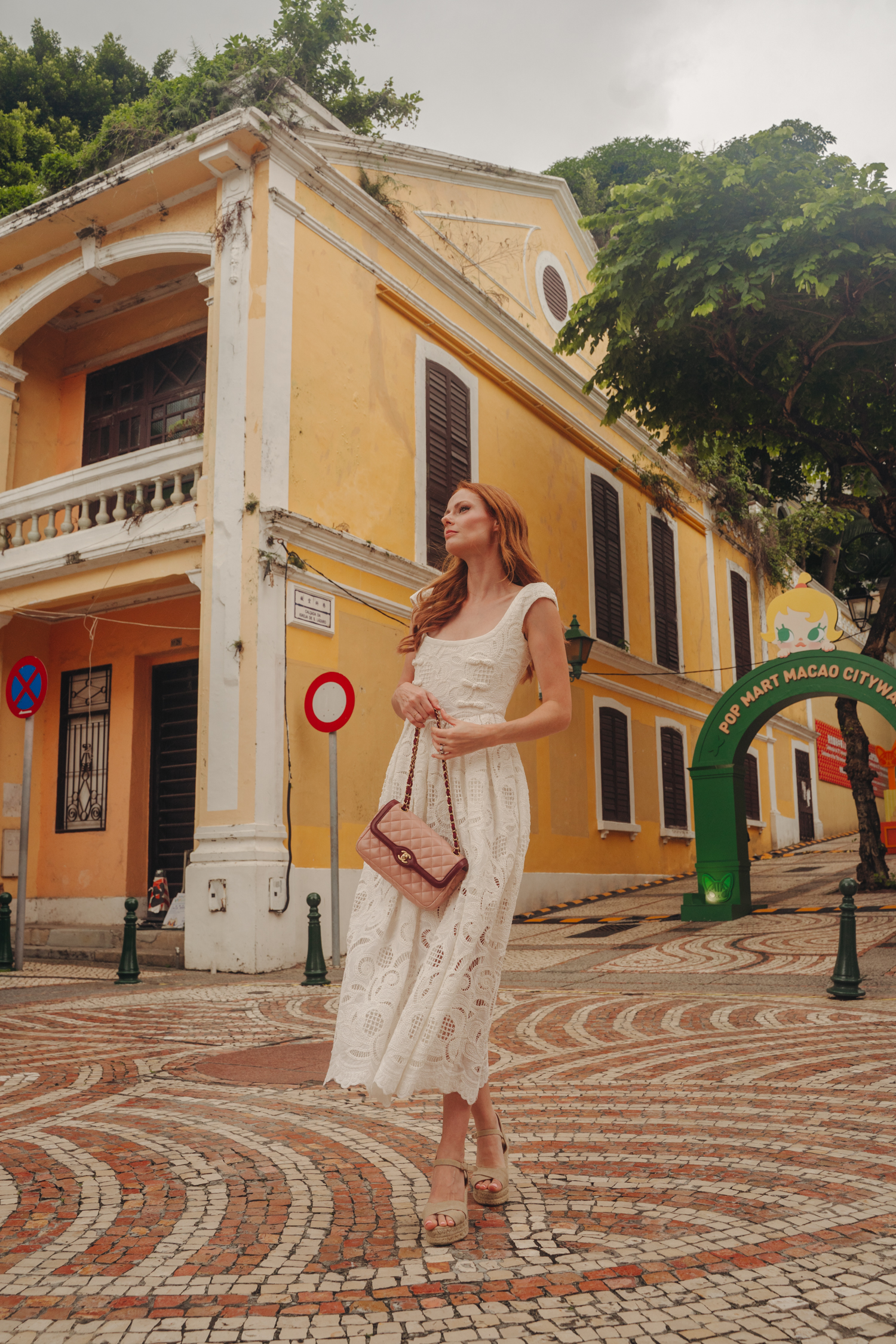
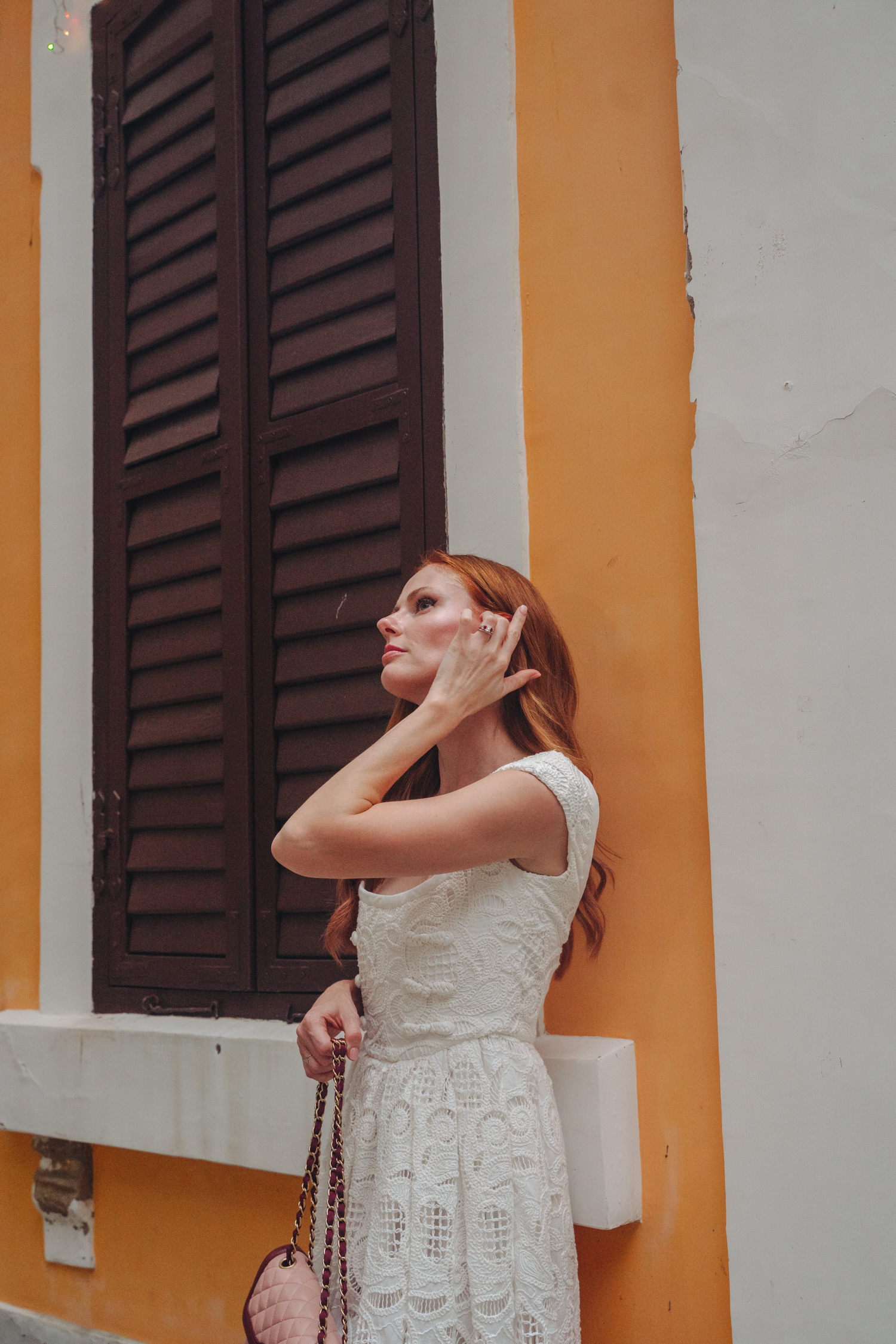
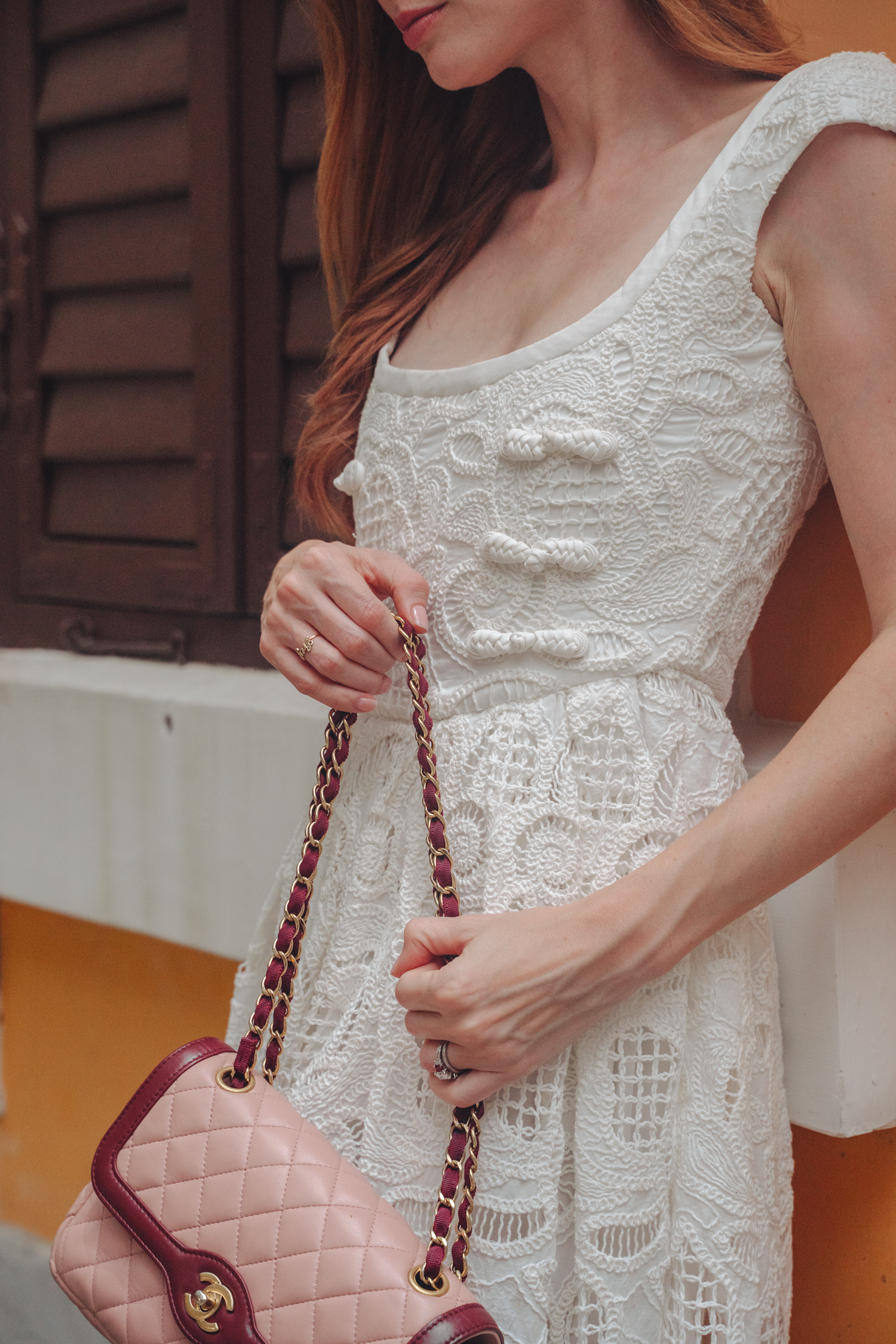
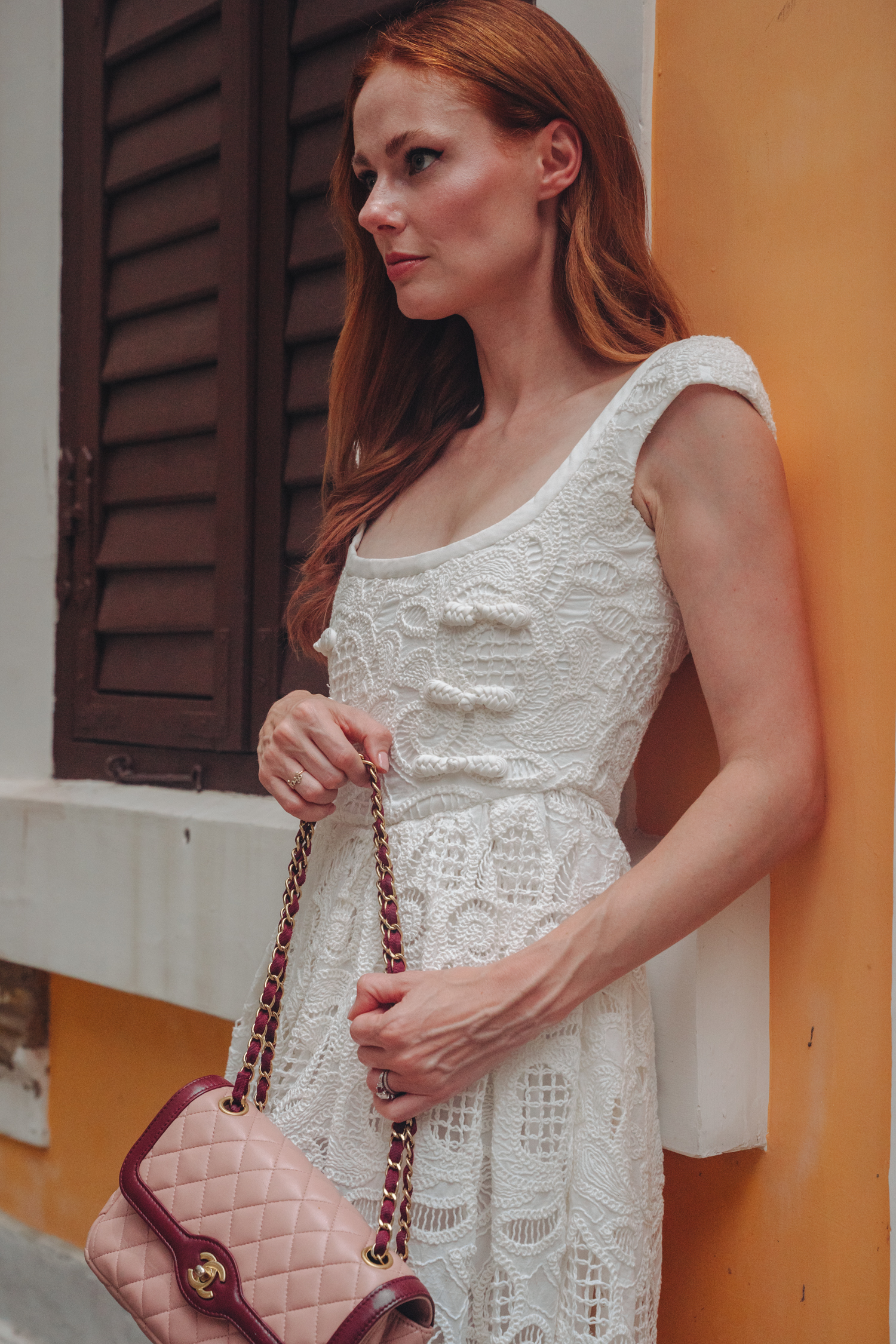
If you’re looking to feel like you have been transported to the alleys of Lisbon and get a taste of the Macanese Portuguese experience, then spending an evening in St. Lazarus Quarter in the perfect location for that.
This post was done in partnership with Mandarin Oriental Macau.